

Vrindavan Market: Complete Shopping Guide
Introduction
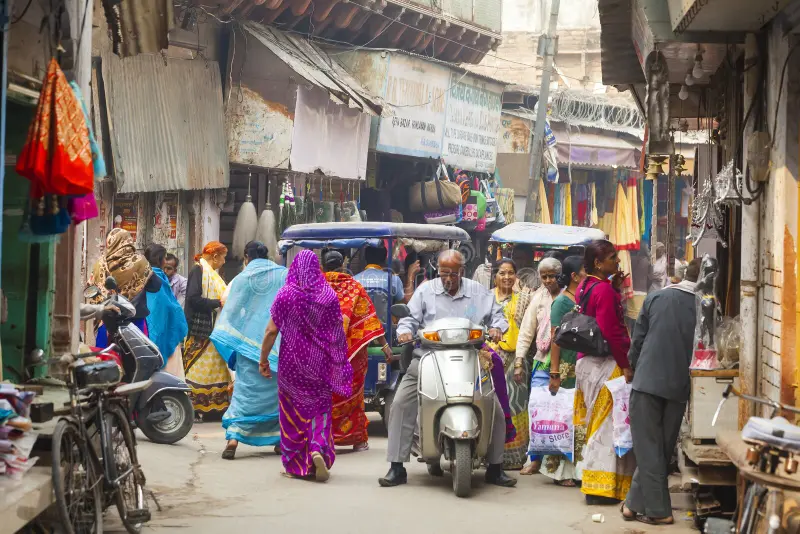
The Vrindavan market is not just a shopping destination—it is a living piece of Braj culture wrapped in color, devotion, and trade. Every lane in this holy town carries the scent of incense, the shine of brass idols, and the rustle of hand-stitched poshak (deity garments) hanging from shop fronts. Whether you are a pilgrim looking for a small souvenir or a business owner exploring the Vrindavan poshak wholesale market for bulk orders, this town offers something for everyone.
This guide walks you through every important market in Vrindavan, explains how the wholesale market in Vrindavan actually works, and shares practical tips that most travel blogs skip. By the end, you will know exactly where to go, what to buy, and how to bargain like a local at the Vrindavan bazaar.
A Quick Snapshot of Vrindavan Market
Before diving into the details, here is a quick reference table covering the most important aspects of shopping in Vrindavan. This table is built specifically to summarize the key facts at a glance—timings, specialty items, and price ranges—so you can plan your visit in seconds.
| Market Name | Best Known For | Typical Timings | Price Range |
| Loi Bazaar | Idols, brass items, antiques | 10 AM – 9 PM (closed Wed) | ₹50 – ₹5,000 |
| Vrindavan Poshak Wholesale Market | Deity dresses, zari work | 9 AM – 7 PM | ₹100 – ₹3,000+ |
| Radha Dhiraj Bazaar | Bangles, traditional jewellery | 10 AM – 8 PM | ₹20 – ₹1,500 |
| Chatta Bazaar | Textiles, garments, daily wear | 10 AM – 9 PM | ₹100 – ₹2,000 |
| Bengali Ghat Market | Religious souvenirs, malas | 9 AM – 8 PM | ₹10 – ₹500 |
Loi Bazaar: The Heart of Vrindavan Market
If there is one place that defines the Vrindavan market, it is Loi Bazaar. Narrow lanes packed with shops selling brass diyas, wooden carvings, Radha-Krishna idols, and devotional paintings make this the busiest commercial stretch in the town. The bazaar stays closed on Wednesdays, so plan your visit accordingly.
Shopkeepers here have been running family businesses for generations, and many can tell you the story behind an idol’s craftsmanship if you simply ask. Bargaining is expected, and a friendly tone usually gets you a better price than a hurried one. Most items are priced reasonably, making it a comfortable stop for both budget travelers and serious collectors.
Vrindavan Poshak Wholesale Market: Where Devotion Meets Business
The Vrindavan poshak wholesale market is a specialized trade hub that supplies deity garments to temples, ashrams, and retail shops across India. These are not ordinary clothes—poshaks are intricately designed with zari, gota-patti, pearl work, and hand embroidery, often custom-made to fit specific idol sizes.
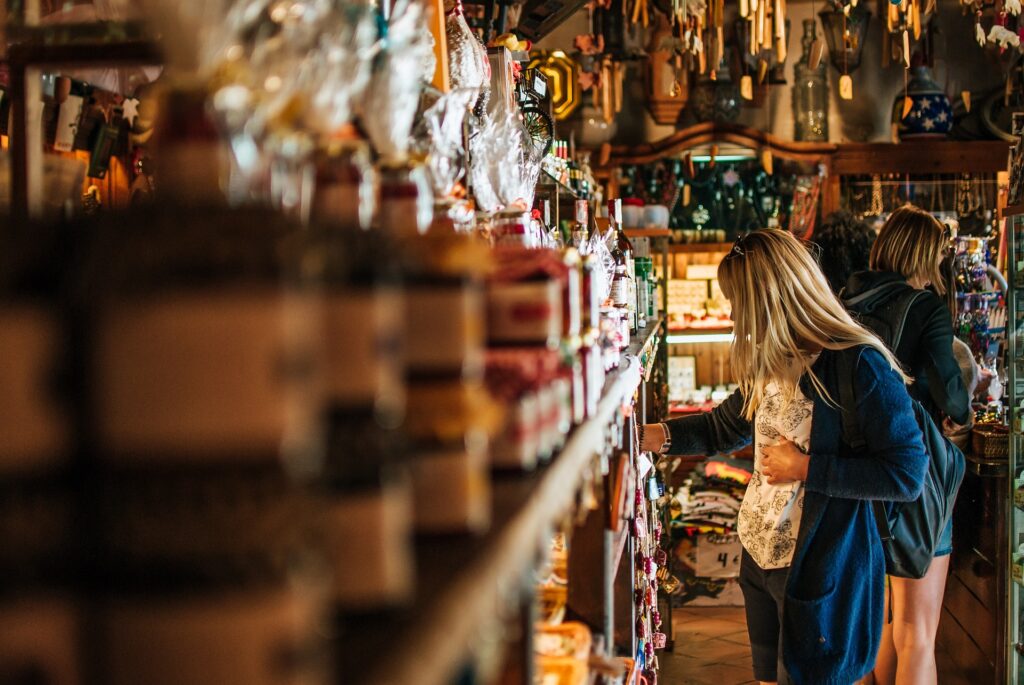
Buyers visiting this wholesale market in Vrindavan typically place bulk orders for festivals like Janmashtami, Holi, and Radha Ashtami, when demand for fresh poshak designs peaks. Many manufacturers also accept custom orders in specific colors and fabric types, which is a major reason retailers from other cities prefer sourcing directly from Vrindavan rather than local markets.
If you are new to wholesale buying here, it helps to visit during weekday mornings when shop owners have more time to discuss bulk pricing and customization options.
Radha Dhiraj Bazaar: A Paradise for Bangles and Accessories
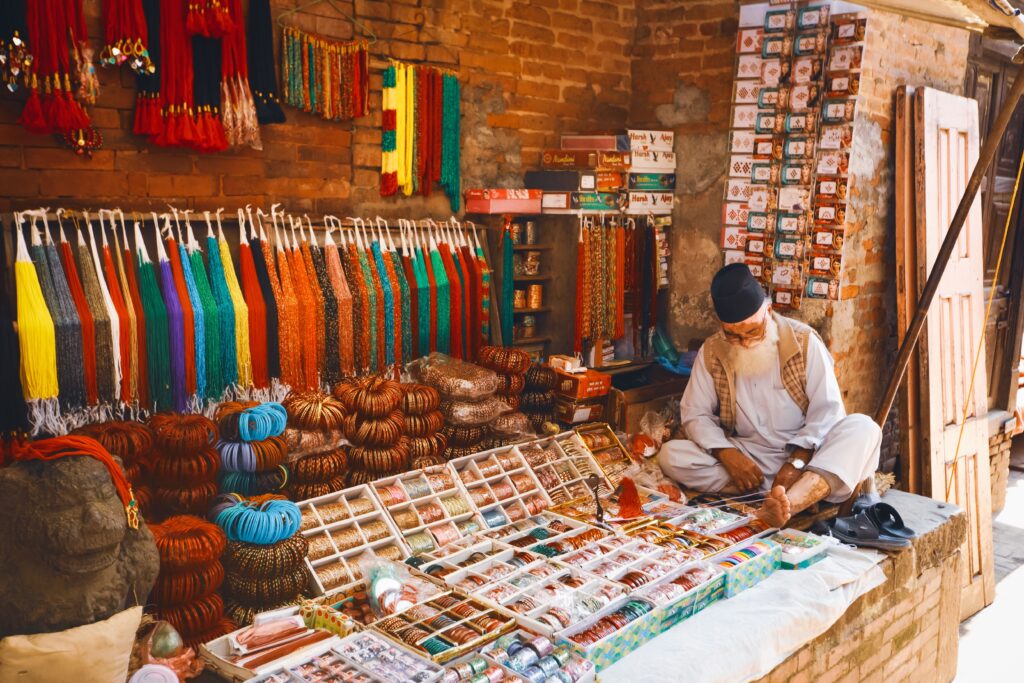
This bazaar is the go-to destination for bangles in Vrindavan. From glass and lac bangles to metal and wooden designs, the variety here reflects the diversity of Braj culture itself. Many women visiting Vrindavan as part of a pilgrimage make it a point to pick up a set of bangles as a keepsake.
The market is lively throughout the day, with shopkeepers often inviting customers to try different color combinations. Prices stay affordable, and the bangles make excellent gifts for family members back home.
Chatta Bazaar and Bengali Ghat: Local Life on Display
While Loi Bazaar attracts most tourists, Chatta Bazaar and the Bengali Ghat area offer a more local shopping experience. Here you will find everyday textiles, garments, and religious souvenirs sold at prices slightly lower than the main tourist-heavy lanes.
This is also a good place to pick up prayer malas made of tulsi, rudraksh, or sandalwood beads—items deeply tied to the spiritual identity of Vrindavan.
Tips for Shopping in Vrindavan Bazaar
Before you head out, a few practical tips can make your shopping experience smoother.
Always carry small-denomination cash, as many shopkeepers in narrow lanes do not accept digital payments. Visit early morning or late evening to avoid the afternoon crowd, especially during festival seasons. Compare prices at two or three shops before settling on a purchase, since prices for similar items can vary noticeably within the same lane.
How to Identify Genuine Wholesale Sellers
When dealing with the Vrindavan Poshak wholesale market, authenticity matters. Genuine wholesale manufacturers usually have a registered shop with display samples of their work, and they are transparent about minimum order quantities.
It is advisable to ask for fabric samples before placing a large order, especially if you are sourcing for a temple or retail business outside Vrindavan. Reputed sellers are generally happy to share product catalogues and previous client references.
Why Vrindavan Market Continues to Attract Visitors Every Year
The charm of the market in Vrindavan lies in its blend of spirituality and commerce. Unlike typical tourist markets, every product here carries cultural meaning—a brass idol is not just decor, a poshak is not just fabric, and a mala is not just an accessory. This emotional connection is what keeps pilgrims, collectors, and wholesale buyers returning year after year.
Frequently Asked Questions About Vrindavan Market
1. What is the Vrindavan market famous for?
The Vrindavan market is famous for religious idols, brass items, deity garments, bangles, and handicrafts rooted in Krishna devotion.
2. Where is the main Vrindavan bazaar located?
The main bazaar, known as Loi Bazaar, is centrally located and considered the heart of shopping in Vrindavan.
3. Is the Vrindavan poshak wholesale market open to individual buyers?
Yes, most wholesale sellers accept both bulk and individual orders, though pricing is more favorable for bulk purchases.
4. What are the best timings to visit the wholesale market in Vrindavan?
Weekday mornings between 9 AM and 1 PM are ideal, as shop owners have more time for detailed discussions and customization.
5. Is Loi Bazaar closed on any specific day?
Yes, Loi Bazaar typically remains closed on Wednesdays.
6. Can I bargain at Vrindavan market?
Yes, bargaining is common and accepted across most shops in Vrindavan, including Loi Bazaar and Radha Dhiraj Bazaar.
7. What should I buy from Vrindavan as a souvenir?
Brass idols, prayer malas, bangles, and small devotional paintings make excellent and affordable souvenirs.
8. Are credit cards accepted in Vrindavan bazaar shops?
Most large shops accept digital payments, but smaller stalls in narrow lanes often prefer cash.
9. How do I find a reliable poshak wholesale seller in Vrindavan?
Look for established shops with visible samples, transparent pricing, and a willingness to share past client references.
10. What is the best season to visit the Vrindavan market?
Festive periods like Janmashtami and Holi offer the most vibrant market experience, though regular weekdays are better for wholesale shopping without crowds.
Final Thoughts
Whether you are visiting as a devotee, a tourist exploring local culture, or a business buyer sourcing from the wholesale market in Vrindavan, this town offers a shopping experience unlike any other. From the timeless charm of Loi Bazaar to the specialized craftsmanship found in the poshak wholesale trade, every corner of the Vrindavan market tells a story worth experiencing firsthand.
